
Nearly 2 Million Americans Receiving Unemployment Benefits, Highest Since 2021
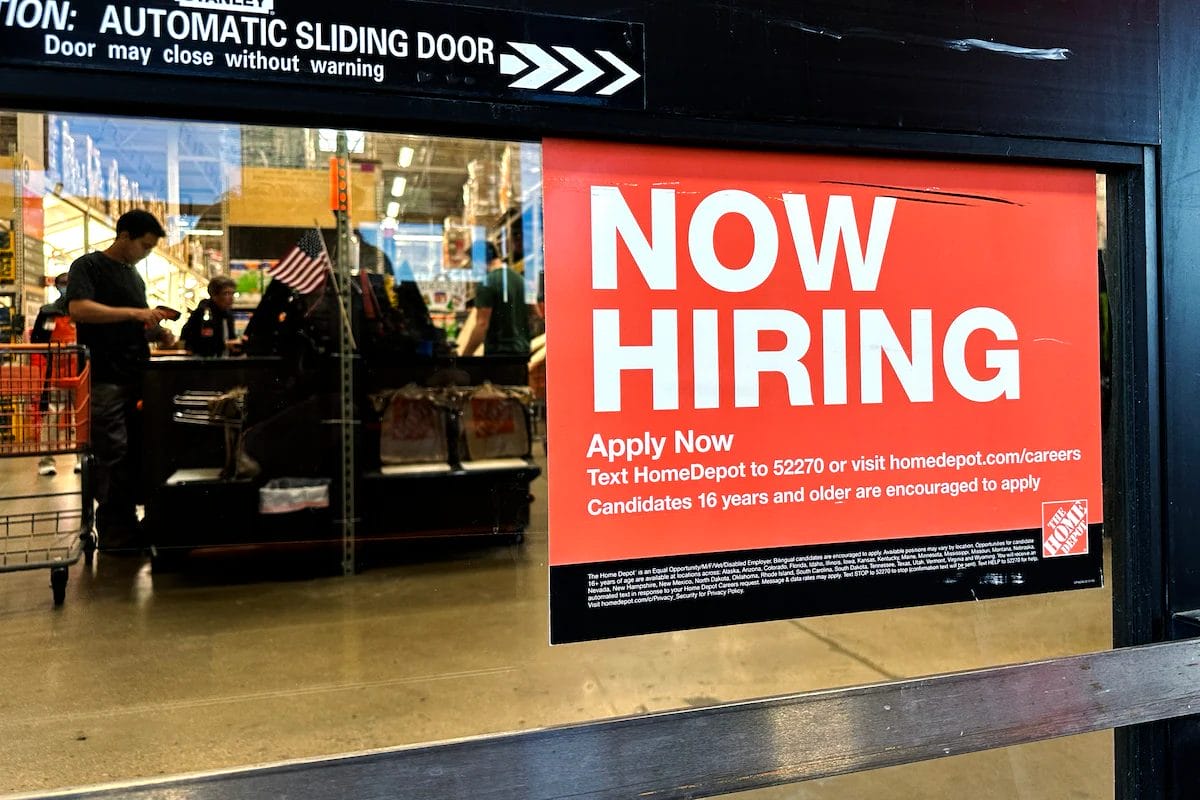
The number of Americans on unemployment benefits has climbed to its highest level since the pandemic era, signaling further cracks in the labor market.
Unemployment Claims Reach Pandemic-Era Highs
Labor Department data shows that 1.97 million people were receiving ongoing unemployment benefits in late July. This marks an increase of 38,000 from the previous week and the highest figure since November 2021.
New unemployment claims for the week ending August 2 rose by 7,000 to 226,000—slightly above economists’ forecasts but still considered within a healthy range.
Economists warn that the rise in continuing claims suggests more Americans are struggling to find work after losing a job, and many are facing longer periods of unemployment.
Slower Hiring Adds Pressure to Job Seekers
The latest data follows a weak July jobs report, which showed the U.S. economy added only 73,000 jobs—well short of the 115,000 expected. Revisions also erased 258,000 jobs from May and June totals.
The unemployment rate in July ticked up to 4.2%, with 221,000 more Americans counted as unemployed. Daniel Zhao, chief economist at Glassdoor, says slower hiring means “unemployed people might have to settle for a worse job, and those currently employed may struggle to advance.”
Tariffs, Spending Cuts, and Immigration Limits Impacting the Labor Market
Experts link the weakening labor market to several Trump administration policies, including higher tariffs on imports, federal spending cuts, and tighter immigration rules. These factors have created uncertainty for businesses, prompting many to delay hiring and expansion plans.
Industries sensitive to import costs—such as retail, manufacturing, and construction—are among those slowing recruitment. White-collar hiring has also stagnated for months.
Political Fallout Over Jobs Data
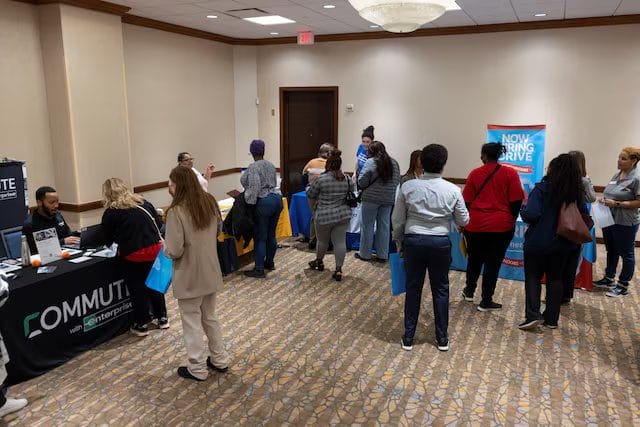
The disappointing jobs report triggered a sharp political response. President Donald Trump dismissed Erika McEntarfer, head of the Bureau of Labor Statistics, accusing her of manipulating jobs data. Trump announced he would appoint a replacement “much more competent and qualified.”
Economists, however, attribute the slowdown to policy and market conditions, not statistical bias. Zhao noted that employers may be holding on to existing workers after past labor shortages but warned that mass layoffs could occur if economic conditions worsen.
More…
