
Atlantic Hurricane Season 2025 Forecast – Above-Average Storm Risk
The Atlantic hurricane season 2025 is shaping up to be an above-average year for storm activity, driven by warmer-than-normal ocean temperatures and the influence of La Niña. Experts warn that this combination could lead to more frequent and more severe storms, with coastal communities in the Gulf Coast, Southeastern U.S., and the Caribbean facing elevated risk.
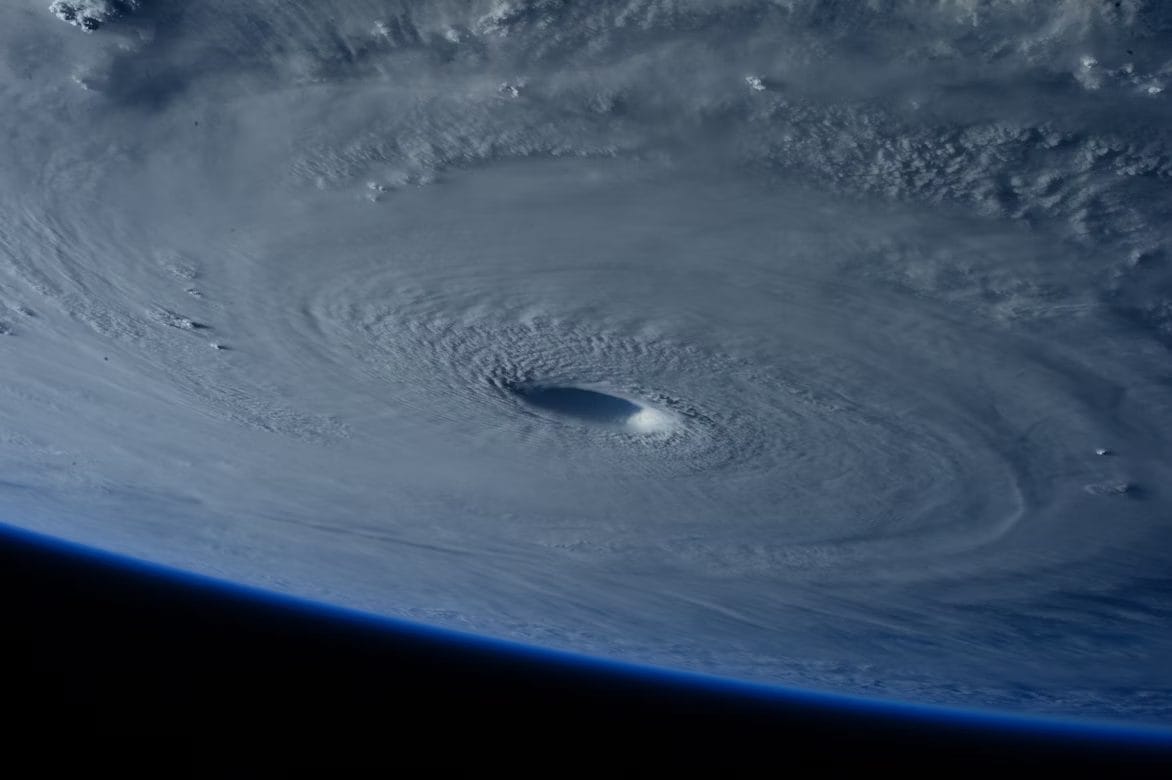
Why 2025 is a High-Risk Hurricane Year
Forecasters attribute the heightened threat to unusually warm waters across the Atlantic basin, which provide the energy hurricanes need to intensify. The La Niña climate pattern further enhances storm development by reducing wind shear, allowing tropical systems to strengthen more easily.
Meteorologists are monitoring the progression of this year’s storm season, which officially runs from June 1 to November 30. Already, systems such as Tropical Storm Dexter have formed, and names like Erin, Franklin, and Gert could soon make headlines.
Current Systems and Potential Developments
According to AccuWeather, a stalled front off the Carolina coast could develop into a tropical depression or storm, bringing heavy rain, wind, and dangerous surf to parts of the southern Atlantic coast.
Further east, two tropical waves emerging from the west coast of Africa are under close watch. The first is expected to curve north before reaching the Caribbean, while the second could take a more direct path toward the Caribbean, Central America, or even the U.S. mainland between August 13 and 15.
Common Hurricane Paths and Impact Zones
Atlantic hurricanes typically form over warm waters near West Africa, the Caribbean, or the Gulf of Mexico. Many move west before curving north, impacting areas from the U.S. East Coast to the Gulf Coast.
The Gulf Coast—including Texas, Louisiana, Mississippi, Alabama, and Florida—is particularly vulnerable due to its proximity to warm waters that can quickly intensify storms. The Southeastern U.S., especially the Carolinas and Georgia, also faces frequent landfalls. Meanwhile, island nations and territories such as Puerto Rico, the Bahamas, and the Dominican Republic remain at high risk for direct hits.
Preparing for Peak Season

The peak of the Atlantic hurricane season typically occurs from mid-August through late September, meaning the most active period is just beginning. Experts recommend reviewing emergency kits, evacuation plans, and staying updated via reliable sources like the National Hurricane Center (NHC).
Forecasters anticipate three to five named storms forming in August, with one or two possibly becoming hurricanes. With favorable conditions in place, residents across at-risk regions are urged to prepare now—before storms form and warnings are issued.
More…
- https://www.aol.com/tropical-trouble-horizon-atlantic-hurricane-133404421.html
- https://www.nytimes.com/2025/08/07/weather/atlantic-hurricane-season-forecast-update-noaa.html
- https://www.fox26houston.com/video/1688258
- https://www.overherenewyork.com/eclipse-of-the-century-coming-august-2-2027-but-not-to-the-u-s
