
Blue Whales’ Silence off California Coast: What New Study Reveals
A new study has raised alarm over the declining songs of blue whales off the California coast. Researchers warn this change could signal deeper issues in the ecosystem, possibly putting these majestic creatures at greater risk.
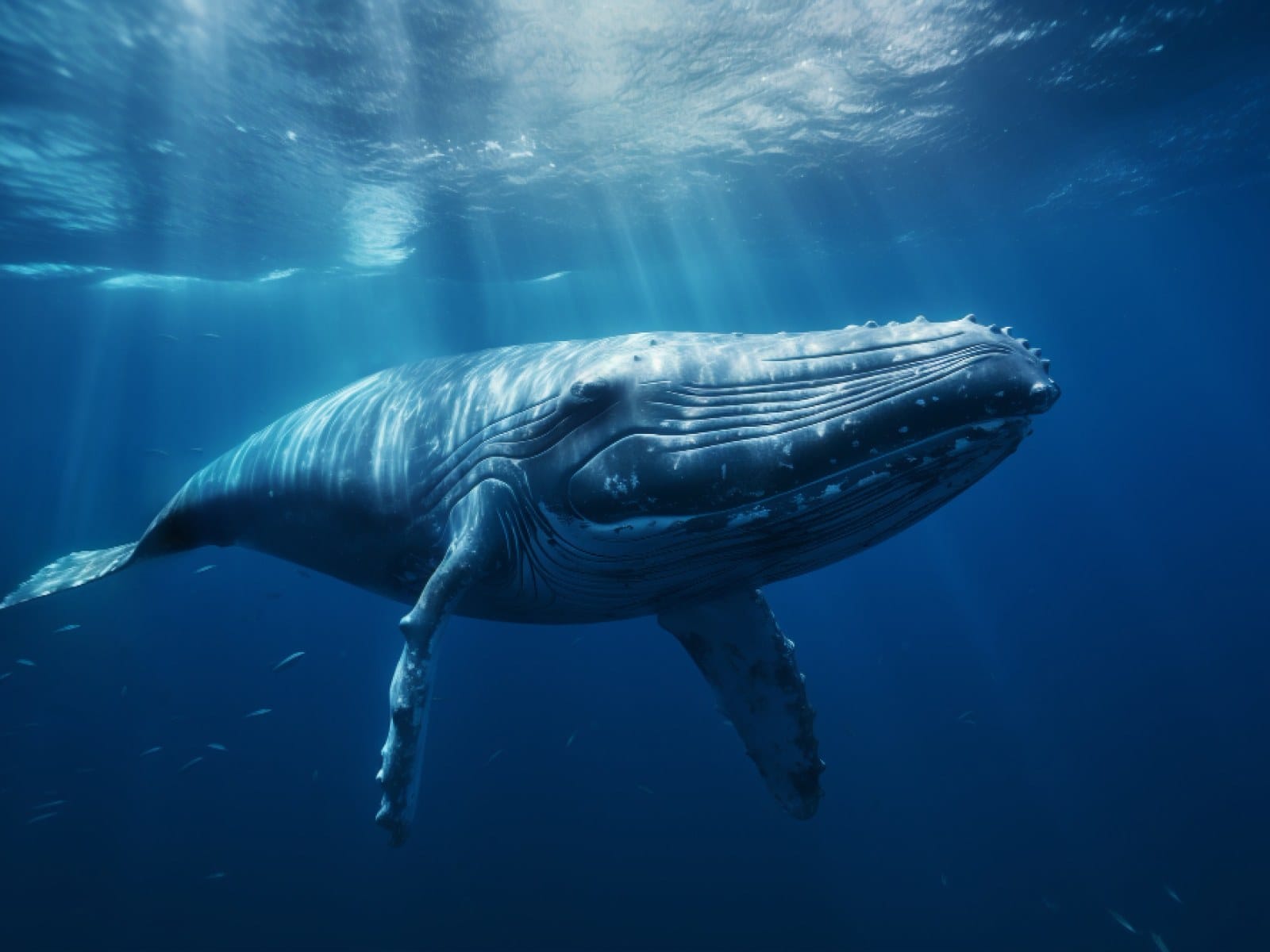
A Deep Dive Into Whale Songs
Researchers from the Monterey Bay Aquarium Research Institute studied the songs of blue, fin, and humpback whales from 2015 to 2021 in the North Pacific Ocean. Using underwater microphones called hydrophones, they collected valuable data on whale behavior and the environmental factors affecting it.
The study revealed that a marine heatwave in 2015, known as “The Blob,” disrupted the feeding patterns of blue and humpback whales, particularly blue whales which rely heavily on krill. This shortage in food forced the whales to adjust their foraging strategies, which led to a drop in singing behavior.
Blue Whales Struggling More Than Humpbacks
- Diet Flexibility: While humpback whales were able to adapt by diversifying their diet, blue whales struggled due to their dependence on krill. The decreasing krill population impacted their ability to sing and survive.
- Whale Song Decline: Over the six-year period, humpback whale songs steadily increased, but blue whale songs peaked in the first few years and then declined. This drop coincided with changes in food availability, pointing to a more vulnerable position for blue whales.
- Environmental Threats: As marine heatwaves are expected to become more frequent and intense, the study warns that blue whales will face even greater challenges. This could have severe implications for their survival.
What This Means for Whale Conservation
The study highlights the urgent need for conservation efforts to protect whale habitats and ensure sustainable food sources. Blue whales, already endangered due to human activity, are at an increased risk from changing ocean conditions. The silence of these whales may be a dire warning for the health of marine ecosystems.
As researchers continue to study whale behavior, these findings are crucial in shaping future conservation strategies.
More…
- https://nypost.com/2025/08/07/science/blue-whales-going-silent-off-coast-of-california-alarming-scientists-with-greater-ecosystem-danger
- https://m.economictimes.com/news/international/global-trends/us-news-blue-whales-mysterious-silence-leave-scientists-worried-as-it-sends-a-dire-warning-to-humanity/articleshow/123145443.cms
- https://www.sfchronicle.com/climate/article/blue-whales-silent-monterey-bay-new-study-20805842.php
