
Supreme Court Backs Trump’s Use of 1798 Law to Deport Venezuelan Gang Suspects
The Supreme Court has decided that the Trump administration can use a law from 1798 to deport some Venezuelan nationals suspected of gang involvement. The ruling stirred up debate across legal and political circles, especially over how far an old law can go in today’s immigration system. Let’s go over the core details and what this might mean going forward.
What’s the Alien Enemies Act?
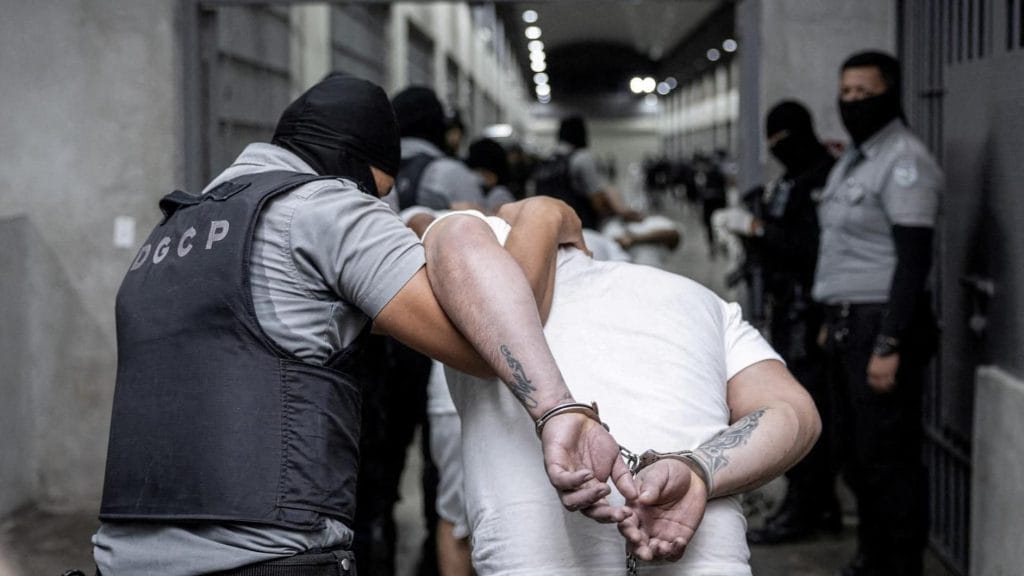
Congress passed this law over 200 years ago, during a period of heightened conflict. It gave the U.S. government the power to deport citizens of nations it was officially at war with. While the law has remained on the books, it has rarely been used in modern times.Now, Trump’s legal team is invoking it to deport Venezuelan nationals they believe are linked to Tren de Aragua—a gang accused of criminal activity throughout Latin America and increasingly present in the U.S. They argue these individuals pose a serious threat to public safety. Even so, many legal experts question whether the law applies here, especially since the U.S. is not at war with Venezuela.
What the Supreme Court Decided
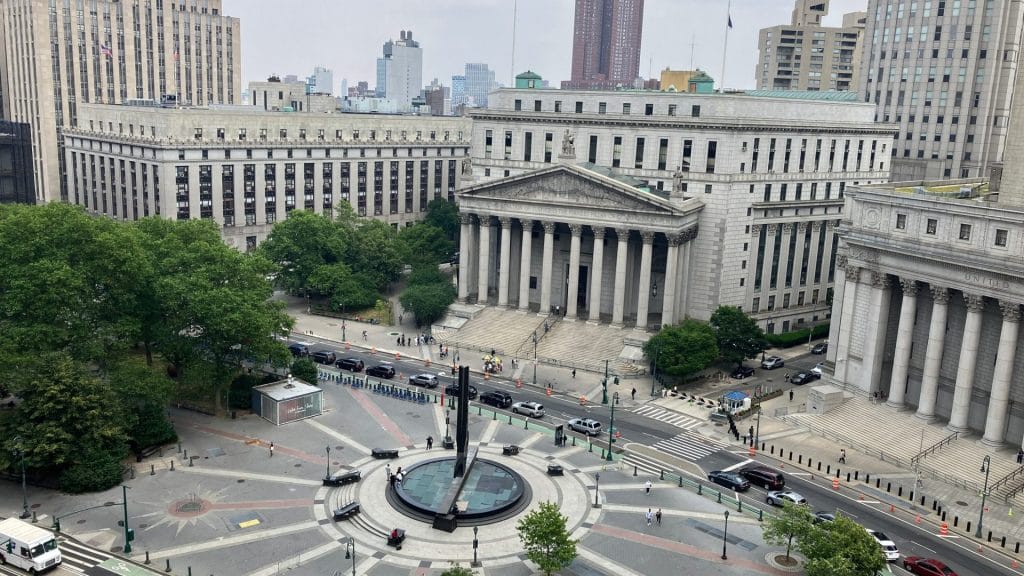
In a narrow 5-4 vote, the Supreme Court reversed a lower court’s block, allowing the administration to proceed with the planned deportations. However, the justices outlined clear conditions. Individuals must receive proper notice and have an opportunity to challenge their removal. Additionally, those legal challenges must take place in Texas, where the individuals are detained, rather than in Washington, D.C., where the initial case was filed.
Pushback from the Court’s Liberal Wing
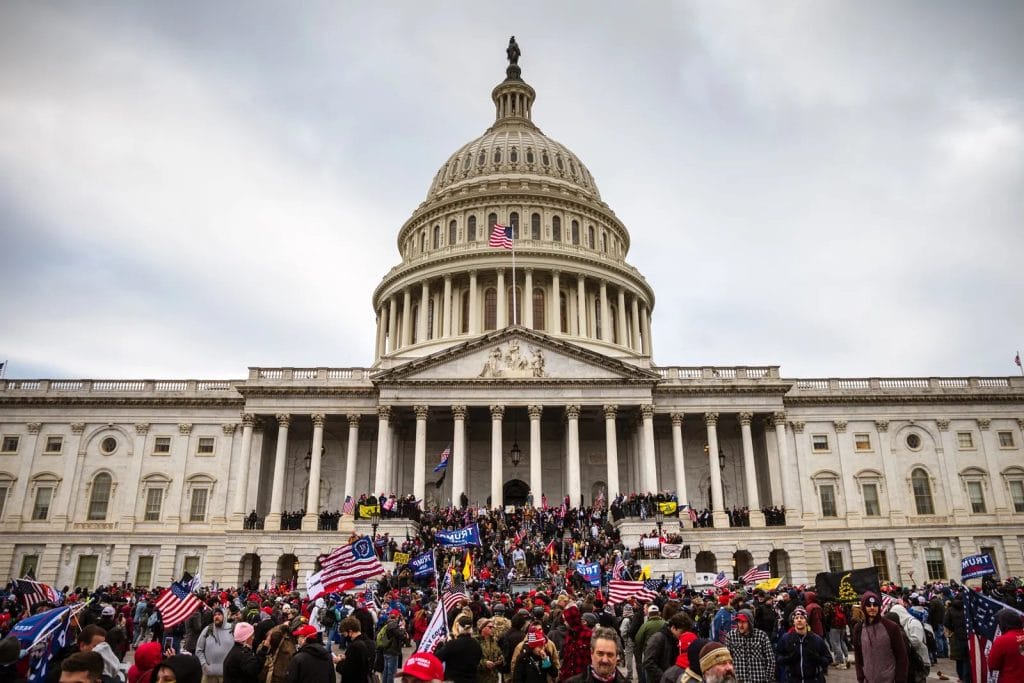
Justice Sonia Sotomayor wrote the dissent and raised concerns about civil liberties. She said this ruling might let the government act too quickly and too broadly, using outdated laws that skip normal legal checks. Justice Amy Coney Barrett partly joined her in this opinion—a rare shift from her usual stance with the conservative majority.
What This Means for Immigration Policy
Supporters of the ruling—including Homeland Security Secretary Kristi Noem and Attorney General Pam Bondi—see it as a way to crack down on organized crime linked to migration. Groups like the ACLU, though, are worried. They say this could set a new precedent where presidents use vague threats to apply old laws in ways that bypass modern legal standards. Furthermore, relocating these cases to Texas limits the ability of national advocacy groups to participate or offer legal support effectively.
Why It’s Bigger Than Just One Case
This isn’t just about one deportation order. It taps into bigger questions:
- How much power should a president have in immigration cases?
- Where should people be allowed to fight deportation orders?
- What’s the limit when using very old laws in modern settings?
As a result of this decision, future presidents might choose to revive rarely used laws as tools for handling immigration or national security issues.
The Bottom Line
The Court’s decision gives the Trump administration the go-ahead to use a rarely applied law—but only under certain conditions. It doesn’t give total freedom, but it does show how far a government might go in the name of safety. Legal fights will continue in Texas, and how those play out could shape future immigration cases. Meanwhile, the political ripple effects are just getting started.
More…
- https://www.aclu.org/issues/immigrants-rights
- https://www.apnews.com/article/supreme-court-trump-deportations-el-salvador-9988b667199e1b02fc0a6a83570225c1
- https://www.reuters.com/world/us/us-supreme-court-backs-trump-deportations-under-1798-law-2025-04-07/
- https://www.overherenewyork.com/best-things-to-do-in-new-york-this-week-april-14-20/
